
Post Detail
Freight Shipping to Europe: A Complete Guide
Freight shipping to Europe is an important logistics solution for businesses transporting commercial goods, machinery, raw materials, equipment, food products and other shipments to European markets. Businesses can choose between sea freight, air freight, road transportation or combined transport based on their delivery needs and shipment characteristics.
Before arranging shipping to Europe, businesses should consider factors such as the destination country, shipment size and weight, required delivery time, customs procedures, documentation, and applicable charges. Reviewing these requirements in advance can help businesses select an appropriate shipping option and prepare their shipments for international transportation.
How Does Shipping to Europe Work?
Shipping to Europe involves transporting commercial goods and other eligible shipments from Dubai or other locations to destinations across Europe. Depending on the shipment requirements, goods can be transported by sea, air, road, or a combination of different transportation methods.
The process may involve:
- Cargo collection from the supplier or warehouse
- Freight booking and transportation planning
- Handling and consolidation
- Export documentation
- Customs clearance
- International transportation
- Import customs procedures
- Inland transportation
- Final delivery
This information helps identify the most suitable transportation option based on the shipment requirements, such as sea freight, air freight, FCL or LCL.
European Countries You Can Ship Cargo To
Businesses can arrange freight shipping to Europe for a wide range of destinations, including:
- Germany
- Italy
- France
- Netherlands
- Belgium
- Denmark
- Spain
- Poland
- Switzerland
- Austria
- Sweden
- Norway
- United Kingdom
- And other European destinations
When arranging shipping from Dubai to Europe, the destination country is an important factor. Customs procedures, import requirements, delivery routes and charges depend on the destination.
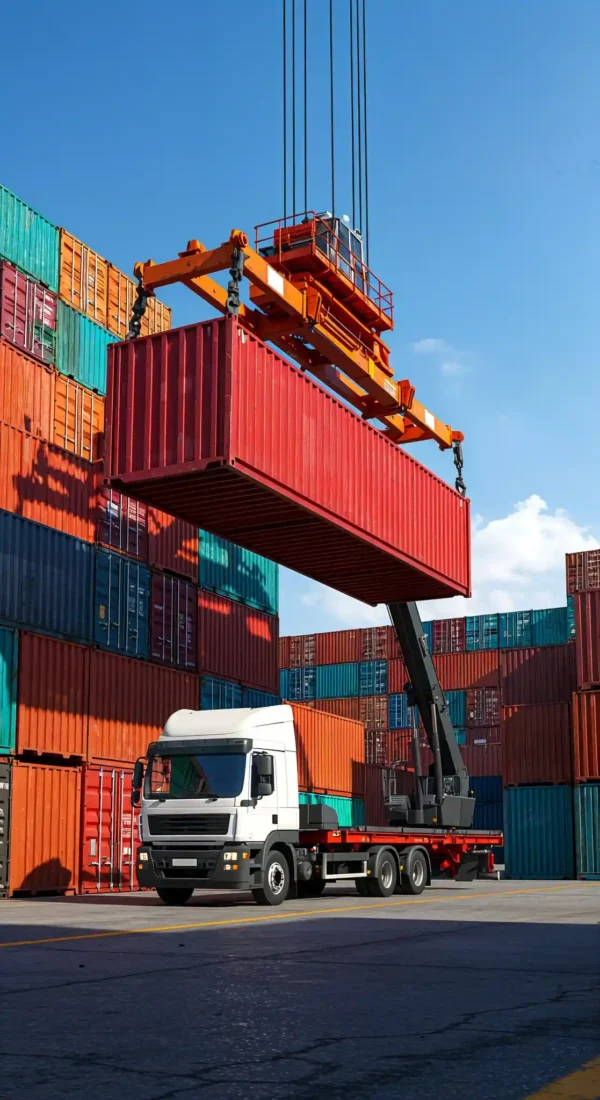
Shipping from Dubai to Europe: Transportation Options
Sea Freight to Europe
This transportation method is commonly used for large, heavy, or non-urgent shipments. It is suitable for businesses transporting machinery, equipment, furniture, commercial goods, raw materials, and other large consignments.
The main container shipping options include:
- FCL (Full Container Load)
- LCL (Less than Container Load)
FCL allows a business to use an entire container for its shipment, while LCL enables smaller shipments to share container space with other shipments. For larger shipments, this option can be a practical choice for freight shipping to Europe, especially when cargo capacity and cost are more important than delivery speed.
Full Container Load (FCL)
FCL shipping is suitable when the cargo volume is large enough to use most or all of a container.
With FCL:
- The shipment is loaded into a dedicated container.
- It is transported as a full container.
- It is suitable for larger commercial shipments.
- Handling can be planned around the container movement.
Businesses planning regular shipping from Dubai to Europe may consider FCL when their shipment volume justifies a full container
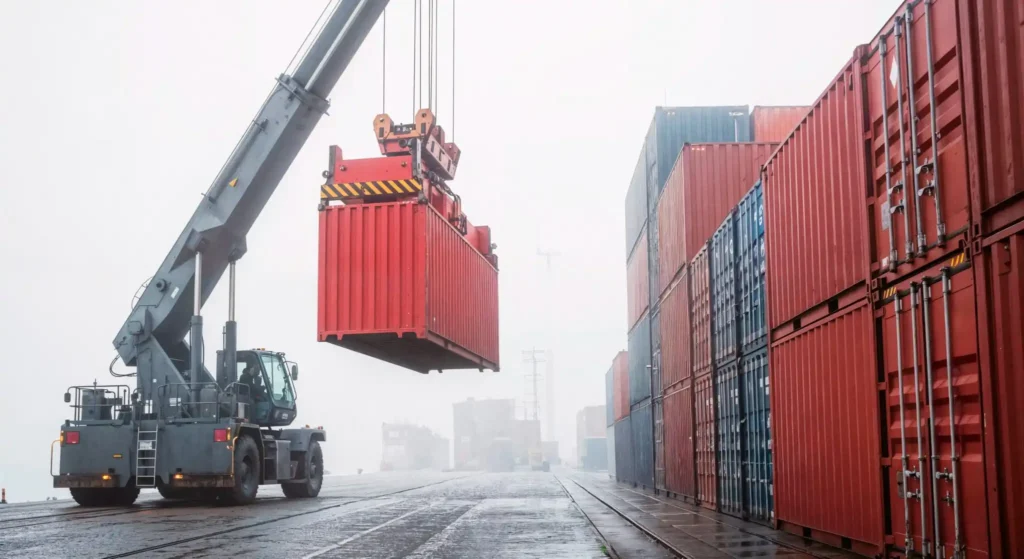
Less than Container Load (LCL)
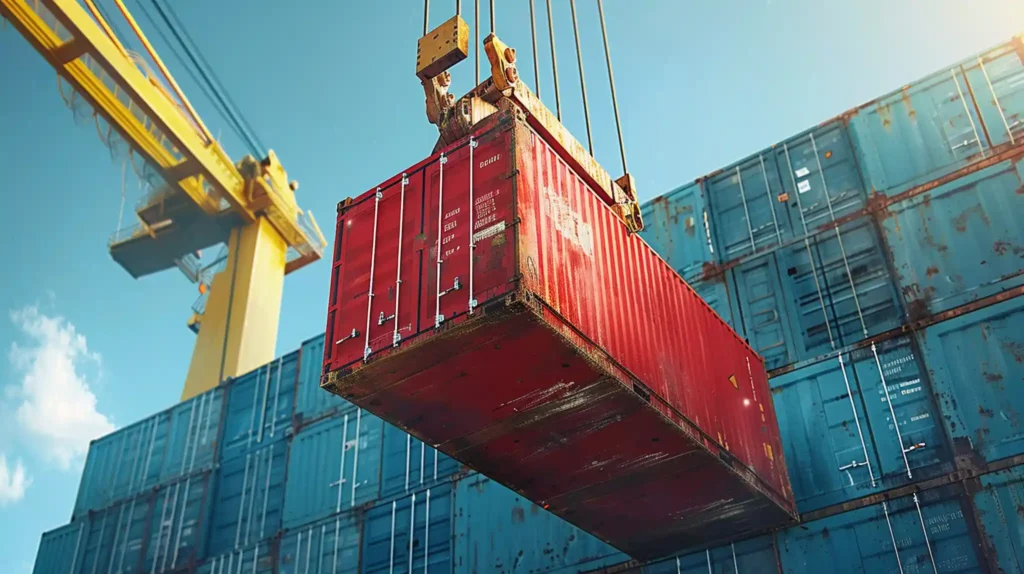
LCL is designed for smaller shipments that do not require a complete container.
With LCL:
- Cargo shares container space with other shipments.
- The shipment is consolidated before transportation.
- It can be suitable for smaller commercial consignments.
- Costs are generally based on the space or volume used.
LCL can be a suitable option for businesses planning freight shipping to Europe when their shipment is not large enough to fill an entire container.
Air Freight to Europe
Air freight is generally selected when delivery speed is a higher priority. It can be suitable for urgent shipments, high-value goods, samples, spare parts, electronics, and smaller consignments.
Compared with sea freight, air freight generally offers faster transportation but can have higher costs, particularly for heavier or larger shipments.
For urgent shipping from Dubai to Europe, air freight may be considered when the delivery schedule is more important than minimizing transportation costs.
Sea Freight vs Air Freight from Dubai to Europe
Choosing between sea and air freight depends on your shipment size, delivery requirements, and budget.
| Factor | Sea Freight | Air Freight |
|---|---|---|
| Shipment size | Suitable for large and heavy cargo | Often suitable for smaller consignments |
| Transit speed | Generally slower | Generally faster | Cost | Often more economical for larger shipments | Generally higher |
| Urgent cargo | Less suitable for time-sensitive shipments | Suitable for urgent cargo |
| Container options | FCL and LCL available | Not applicable |
| Heavy cargo | Suitable for many heavy shipments | Can be more expensive |
| Typical use | Bulk and commercial cargo | Urgent and time-sensitive cargo |
For most shipping from Dubai to Europe, the right option depends on your priorities, including cost, capacity, speed, or a combination of these factors.
FCL vs LCL: Which Is Right for Your Shipment?
Understanding the difference between FCL and LCL can help businesses select the right solution for shipping to Europe.
| Factor | FCL | LCL |
|---|---|---|
| Container | Entire container | Shared container |
| Cargo volume | Suitable for larger shipments | Suitable for smaller shipments | Space | Dedicated container | Shared space |
| Best suited for | High-volume cargo | Smaller consignments |
| Consolidation | Usually not required | Required |
If your cargo volume is large enough, FCL may be more suitable. For smaller shipments, LCL can provide access to sea freight without requiring a full container.
How Does Shipping to Europe Work?
The shipping process to Europe generally involves several stages. The exact steps depend on the shipment, destination, transportation method, and customs requirements.

1. Shipment Assessment
The shipment is reviewed based on cargo type, weight, dimensions, origin, destination, and delivery requirements.
This information helps determine the most suitable option, such as sea, air freight, FCL, LCL or another transportation method.

2. Freight Booking
Once the transportation method is selected, the shipment is booked with the relevant carrier or freight service provider.
The booking process may depend on cargo availability, destination, preferred schedule and required services.

3. Cargo Collection and Handling
Cargo can be collected from the supplier, warehouse or designated location in Dubai.
Depending on the shipment, it may then be packed, consolidated, stored or prepared for loading.

4. Documentation
Accurate documentation supports freight shipping from Dubai to Europe. Required documents may include commercial invoices, packing lists, bills of lading, air waybills, certificates of origin, HS codes, customs declarations, and permits.

5. Export Customs Clearance
Before leaving the UAE, the shipment may need to complete the required export customs procedures.
Accurate shipment descriptions, commercial documents, and other required information help support the customs clearance process.

6. International Transportation
The shipment is transported from Dubai to the European destination by sea, air, or a combination of transportation methods.
Depending on the carrier and service arrangement, shipment tracking and transportation updates may also be available.

7. Import Customs Clearance
Once the shipment reaches the destination country, import customs procedures must be completed.
Depending on the goods and destination, import duties, VAT, customs charges, permits, or additional documentation may apply.

8. Final Delivery
This final stage is particularly important for door-to-door shipping to Europe, where the shipment needs to reach a warehouse, business, or other designated location.

What Goods Can Be Shipped from Dubai to Europe?
Businesses use shipping from Dubai to Europe for many types of commercial and general cargo, depending on applicable regulations.
Examples include:
Machinery and equipment
Industrial products
Spare parts
Electronics
Raw materials
Garments
Furniture
Food products
Commercial samples
Automotive parts
Automobile
General merchandise
Certain goods may be subject to additional requirements. Hazardous materials, restricted products, food items, pharmaceuticals and regulated products may require special documentation, packaging, permits or handling.
Before arranging shipping to Europe, businesses should check the requirements that apply to the specific product and destination country.
Customs and Documentation for European Shipments
Customs requirements are an important part of freight shipping to Europe. The required documents depend on the cargo, destination, product category, and applicable regulations.
European shipments may also be subject to import duties and VAT. Requirements can differ between EU member states and non-EU European countries.
The United Kingdom has separate customs procedures from the European Union, so businesses arranging shipping from Dubai to Europe should confirm the requirements for the specific destination.
Factors That Affect Shipping Costs to Europe
The cost of shipping to Europe depends on factors such as the shipment size, weight, destination, and service requirements.
Important factors include:
Cargo Weight and Volume
The weight and dimensions of the shipment directly influence transportation costs. Larger or heavier shipments generally require more transportation capacity.
Transportation Method
Sea and air freight have different pricing structures. Sea freight is often considered for larger cargo, while air freight may be selected for faster delivery.
Destination
The destination country, port, airport, delivery location, and inland transportation requirements can affect the overall cost of shipping from Dubai to Europe.
Cargo Type
Some goods require special handling, packaging, temperature control, or additional documentation. These requirements can increase the total cost.
Customs and Duties
Import duties, VAT, customs charges and other destination-related costs may apply depending on the shipment and country.
Delivery Requirements
Door-to-door delivery, warehouse delivery, residential delivery, urgent transportation and other specialized requirements can affect the final quotation.
Common Shipping Risks and How to Reduce Them
International cargo transportation involves several potential risks. Proper preparation can help reduce avoidable problems.
| Risk | How to Reduce It | |
|---|---|---|
| Cargo damage | Use suitable packaging and professional handling | |
| Transportation delays | Plan shipments in advance and prepare documents correctly | Customs issues | Provide accurate cargo information and required documentation |
| Port congestion | Consider available routes and transportation schedules | |
| Cargo loss or damage | Review appropriate cargo insurance options | |
| Unexpected charges | Request a detailed quotation and confirm included services |
For shipping to Europe, businesses should also consider destination-specific customs requirements and delivery conditions before dispatching the cargo.
FAQs
1. How can I ship cargo from Dubai to Europe?
You can arrange shipping from Dubai to Europe by sea, air, or a combination of transportation methods. The most suitable option depends on the shipment size, weight, destination, delivery time, and budget.
2. What is the best shipping method for large cargo?
Sea freight is commonly considered for large or heavy shipments. FCL can be suitable when the cargo requires an entire container, while LCL can be considered for smaller shipments.
3. Is air freight faster than sea freight?
Yes. Air freight is generally faster than sea freight and can be suitable for urgent or time-sensitive shipments. However, it usually comes with higher costs.
4. Can I ship small cargo from Dubai to Europe?
Yes. LCL sea freight or air freight can be considered for smaller consignments, depending on the cargo and delivery requirements.
5. What is the difference between FCL and LCL?
FCL uses an entire container for one shipment, while LCL allows smaller shipments to share container space with other cargo.
6. What documents are required for shipping cargo to Europe?
Common documents include a commercial invoice, packing list, bill of lading or air waybill, HS code information, certificate of origin and customs documentation. Additional documents may be required depending on the product and destination.
7. How much does shipping from Dubai to Europe cost?
The cost depends on factors such as shipment weight, dimensions, transportation method, destination, product type, customs requirements, and delivery services. A specific quotation requires accurate shipment details.
8. How long does it take to ship cargo from Dubai to Europe?
Transit time depends on the transportation method, destination, route, carrier schedule, customs clearance, and final delivery requirements. Sea freight generally takes longer than air freight.
9.Can I arrange door-to-door delivery from Dubai to Europe?
Yes, door-to-door transportation may be available depending on the service provider, cargo type, destination, and delivery requirements. This can include international transportation followed by inland delivery to the final address.
Choose Sea Drive Shipping for Your European Cargo
Planning freight shipping to Europe from Dubai requires careful consideration of transportation options, cargo requirements, customs procedures and final delivery arrangements.
Sea Drive Shipping can support businesses with suitable freight and logistics solutions for destinations such as Germany, Italy, France, the Netherlands, Belgium, Denmark and other European markets, depending on the shipment requirements.
If you are planning shipping from Dubai to Europe, share your cargo type, weight, dimensions, origin, destination and preferred transportation method with Sea Drive Shipping to discuss a suitable shipping solution and request a quotation.